
Our Theory of Change
Inclusive and climate resilient Ghanaian cities protect the lives and livelihoods of slum dwellers and informal workers.
SDI Ghana Alliance’s Theory of Change explains how organized communities create sustainable urban transformation through community leadership, evidence-driven planning, and institutional partnerships.
Strategic Objectives with Key Interventions
Community Voice & Urban Decision-Making
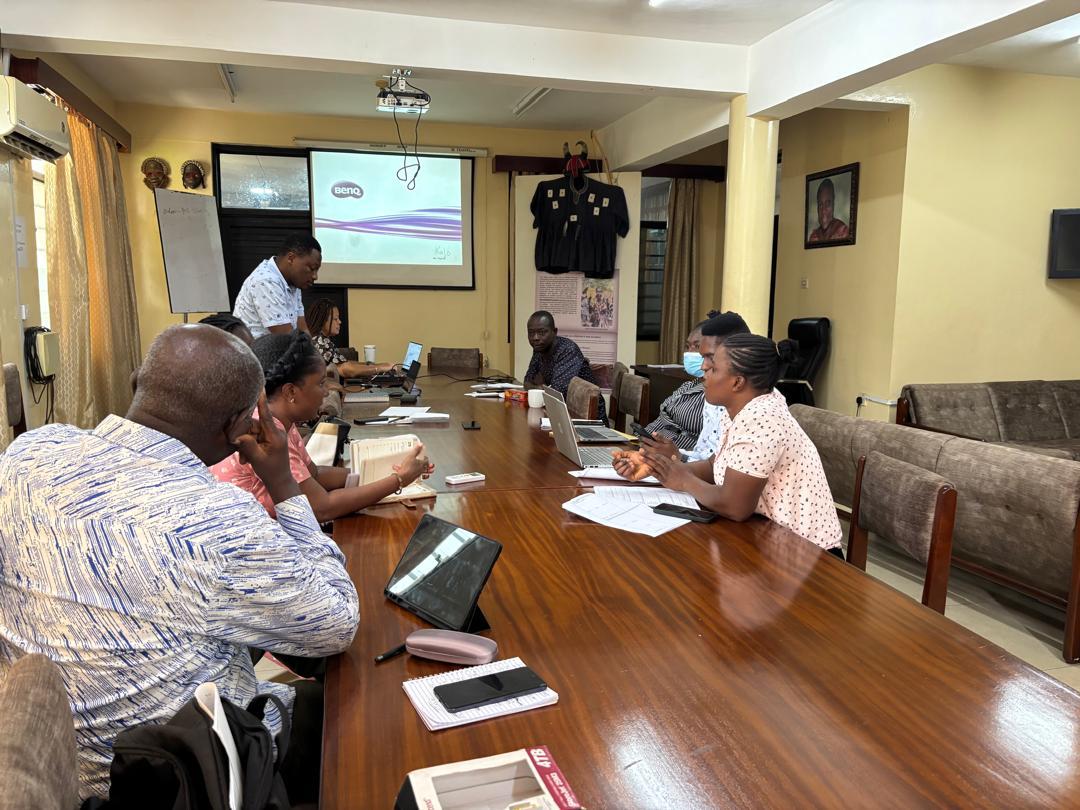
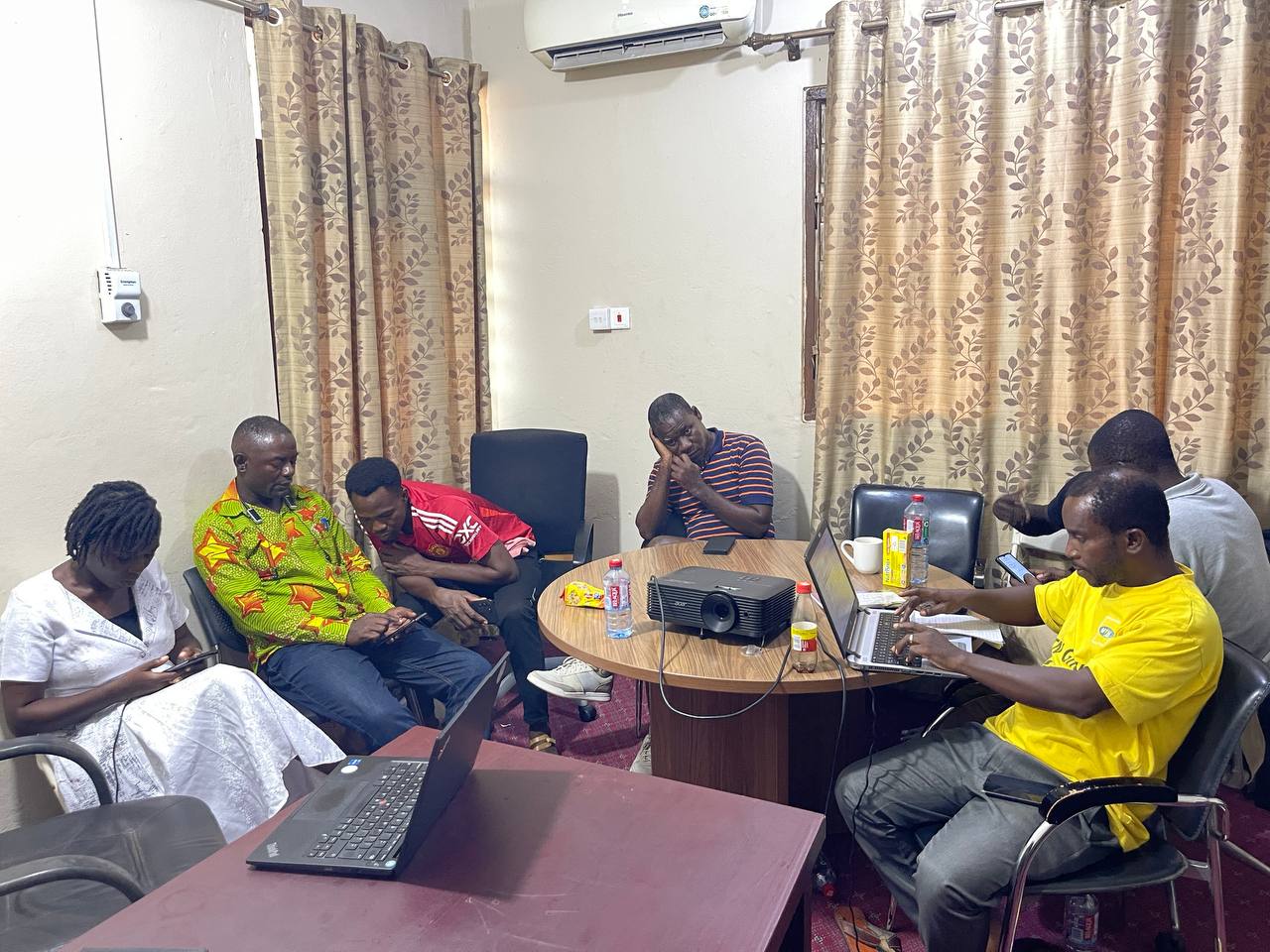
Community-led data, stories and research
Inform city planning and budgeting
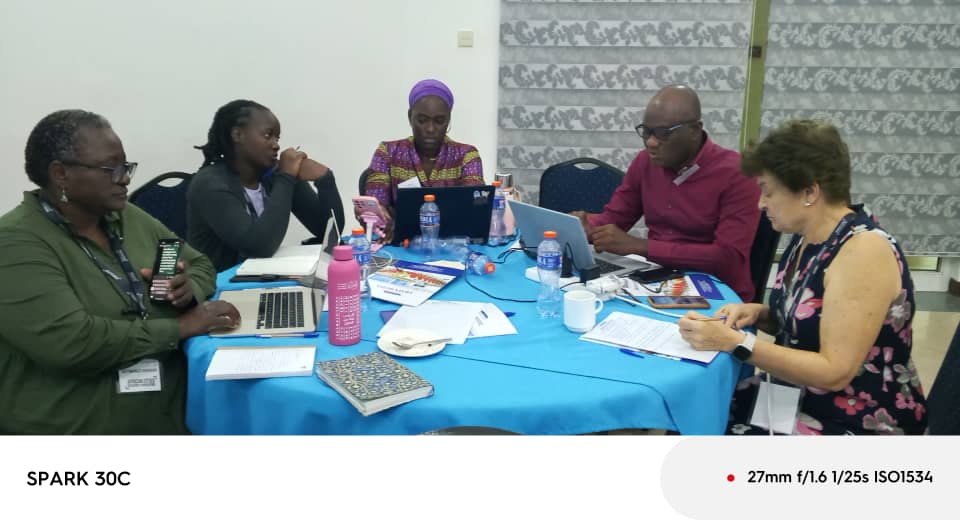
Structured negotiation platforms Create meaningful engagement with authorities.
Youth-led advocacy Enable young people to shape policy and investment.
Read More
Assets, Incomes & Livelihoods
Women-led savings and revolving community finance
Secure trading spaces and policy recognition for informal workers.
Enterprise support and skills pathways for youth.
Read More
Climate Resilience
Community-led climate risk mapping and adaptation planning.
Locally-led climate adaptation and DRR integrated into city planning.
Municipal co-investment in locally led resilience.
Read More
Housing, Tenure & Basic Services
Community profiling and settlement enumeration
Negotiated in-situ housing and incremental upgrading.
Eviction prevention through documentation and early negotiation.
Read More
Safer & More Cohesive Communities
Community safety audits and protection mechanisms.
Youth education, civic engagement and sports initiatives.
Conflict-sensitive dialogue to reduce violence and exclusion.
Read MoreHow we Deliver Impact.
Expected Outcomes
Outcome One
Community Voice Embedded in Urban Decision-Making
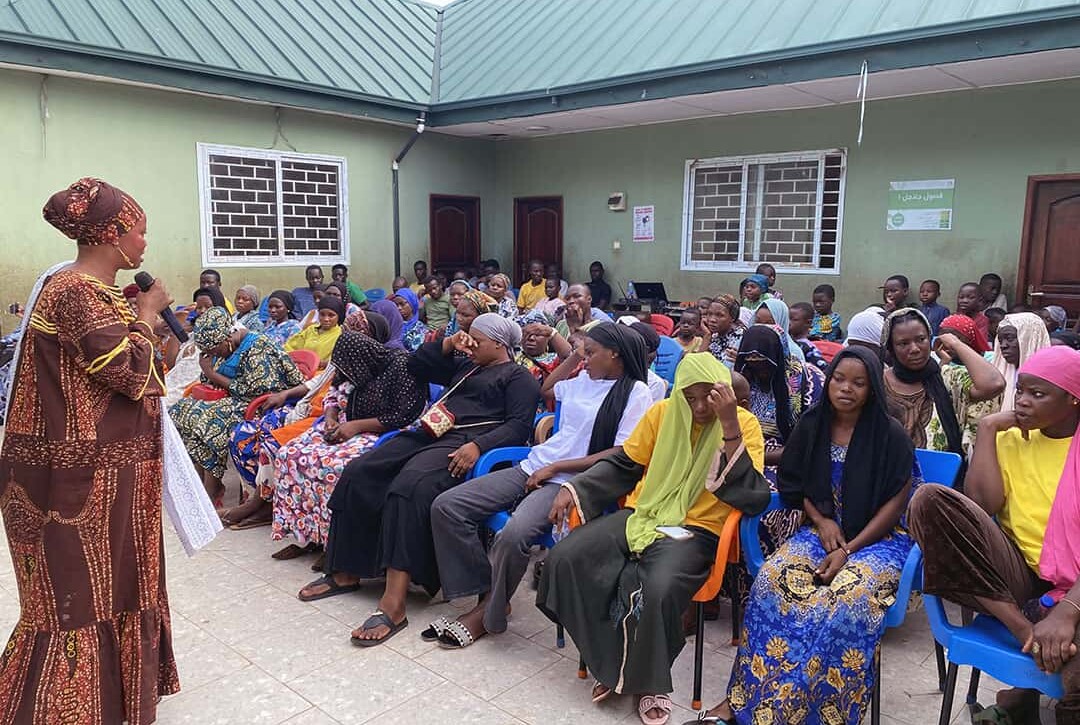
Communities influence city planning, budgeting, and policy.
Read More …
Outcome Two
Enhanced Assets, Incomes & Livelihoods
Strengthening community finance, enterprise, and informal workers.
Read More …
Outcome Three
Increased Climate Resilience
Community-led climate adaptation and disaster risk reduction.
Read More …
Outcome Four
Improved Housing, Tenure Security & Basic Services
Secure settlements, housing upgrades, and essential services.
Read More …
Outcome Five
Safer and More Cohesive Communities
Safety, youth engagement, and violence prevention.
Read More …
Outcome Six
Strong, Accountable and Sustainable Alliance
Governance, learning systems, and diversified funding.
Read More …
The Three Pathways
Organize Locally
Influence Systemically
Sustain Institutionally
How we Deliver Impact.
Our Assumptions
-
Organized communities are the primary drivers of lasting urban change.
-
Community-owned data shifts power and unlocks institutional reform.
-
Sustained engagement transforms systems more effectively than isolated projects.


